guides
How to Read a Size Chart (and When to Ignore It)
Size charts stop being confusing once you know what the numbers mean. How to measure yourself, read garment specs, and spot the charts worth ignoring.
By The Picks Desk · Nov 1, 2026 · 3 min read
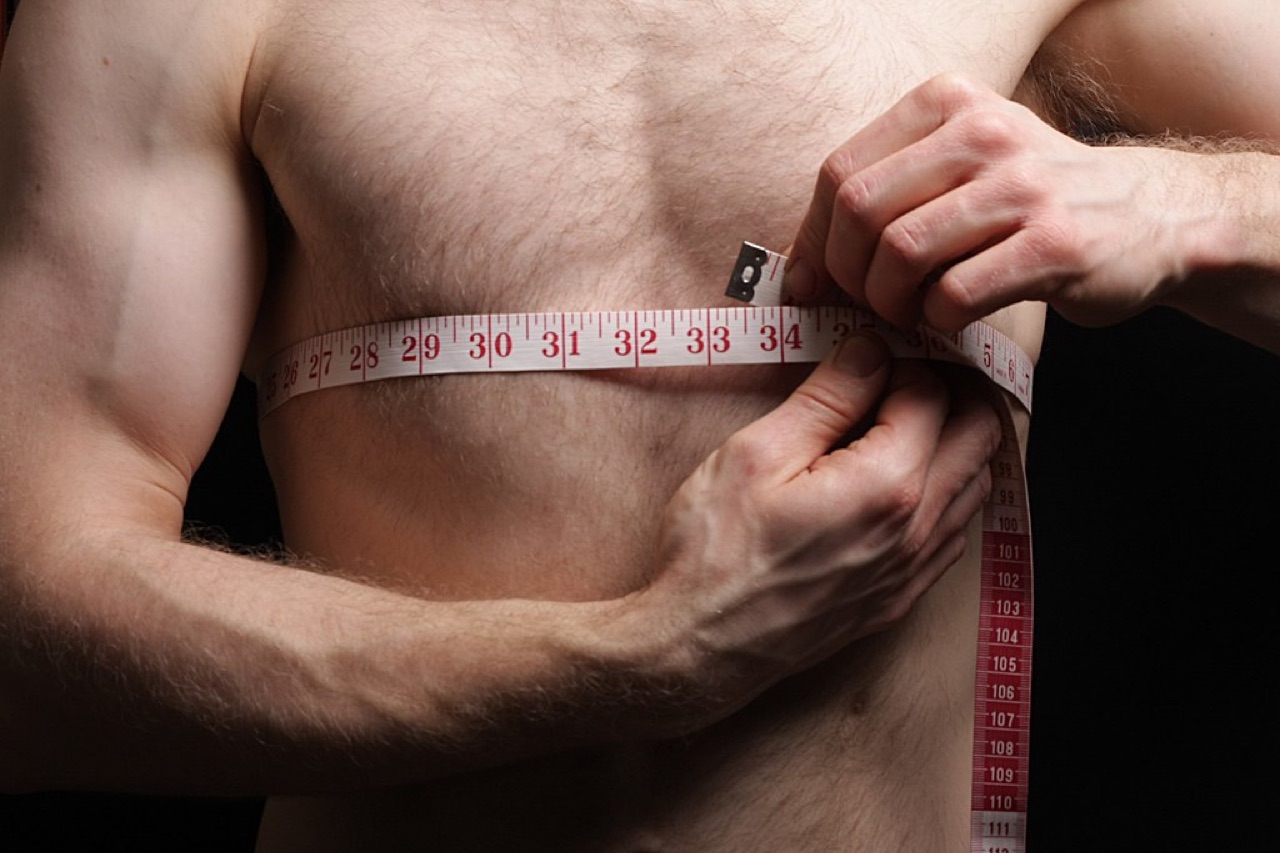
Every brand prints a size chart, and every brand seems to mean something slightly different by “medium.” That’s not sloppiness — sizing is a marketing decision as much as a technical one, and once you accept that, charts stop being frustrating and start being useful. Here’s how to read one properly, and when to throw it out.
The chart is a translation table
A size chart converts your body into a letter or a number. The useful ones list actual measurements — chest, waist, hips, sometimes sleeve and inseam — not just “fits sizes 4 to 6.” If a chart gives you no numbers, it tells you nothing, and you’re guessing.
Two details matter more than the rest:
- Chest for tops, waist and hips for bottoms. These drive fit more than height or weight ever will.
- Garment versus body measurements. Some charts list what your body should measure; others list the actual clothing laid flat. Garment measurements are often 2-4 inches bigger than body measurements to give you room to move. If you don’t know which kind you’re reading, you can buy the wrong size with perfect confidence.
Flat-lay measurements are the most reliable thing on any product page. Chest laid flat, doubled, minus a few inches of ease — that’s the fit, no interpretation needed.
Measure yourself once, properly
You need five numbers: chest at the fullest point, natural waist, hips, sleeve length, and inseam. Use a soft tape, stand relaxed, and don’t suck anything in — the waist especially, since most people report the waist they wish they had and then blame the brand.
Write them down and check them once a year. Five minutes of measuring saves more returns than any amount of reading reviews.
Then compare against the chart and trust the numbers over the letter. If you’re a medium in one brand and a large in another, nothing is wrong with your body. Letters are just labels for where the ruler stopped.
When the chart is worth less than it looks
Charts have failure modes, and knowing them is half the skill:
Vanity sizing. The same taped measurement labeled a 6 today was a 10 several decades ago, and the drift continues — brands like Old Navy are known for running generously through the middle sizes. Charts also drift within a single brand over the years, so a current product page beats memory every time.
Stretch fabric. The same numbers mean different things in a rigid woven shirt and a jersey knit. Stretch absorbs sizing error: when the fabric has a little elastane, you can size down for a closer fit. Rigid denim forgives nothing.
Cut intent. A “slim fit” chart runs smaller than a “relaxed fit” chart in the same brand, on purpose. The chart is telling you the truth; the label is marketing. Fit labels deserve their own decoder — the point here is that the chart, not the adjective, is the honest part.
When to ignore it entirely
Ignore the chart when the silhouette is the point. An intentionally oversized shirt or wide-leg trouser is designed to float away from the body, and its chart numbers look alarming next to your measurements. Read the fit note (“designed for a loose fit”) and the flat-lay chest instead, then decide how much volume you actually want.
Ignore it, too, when your measurements straddle two sizes on a garment with stretch or an easy cut. Pick by the fit you want, not by which number matches.
And be skeptical of any chart that collapses a huge range into one column. “One size fits most” is a chart telling you it gave up.
The habit that ties all of this together: buy the first garment from a new brand expecting to exchange it. Even at Uniqlo, where sizing runs consistent and trim, your medium is not guaranteed to be their medium. One test order teaches you more about a brand’s sizing than any chart ever will — and after that, the chart starts working for you instead of against you.
The Picks Desk
A two-person editorial desk that wears, washes and price-checks everything before it appears here.