basics
The linen shirt: an evergreen basic with one catch
A linen shirt earns its place every summer. We wore one through a full season to document the one trade-off nobody warns you about honestly.
By The Picks Desk · Nov 12, 2026 · 3 min read
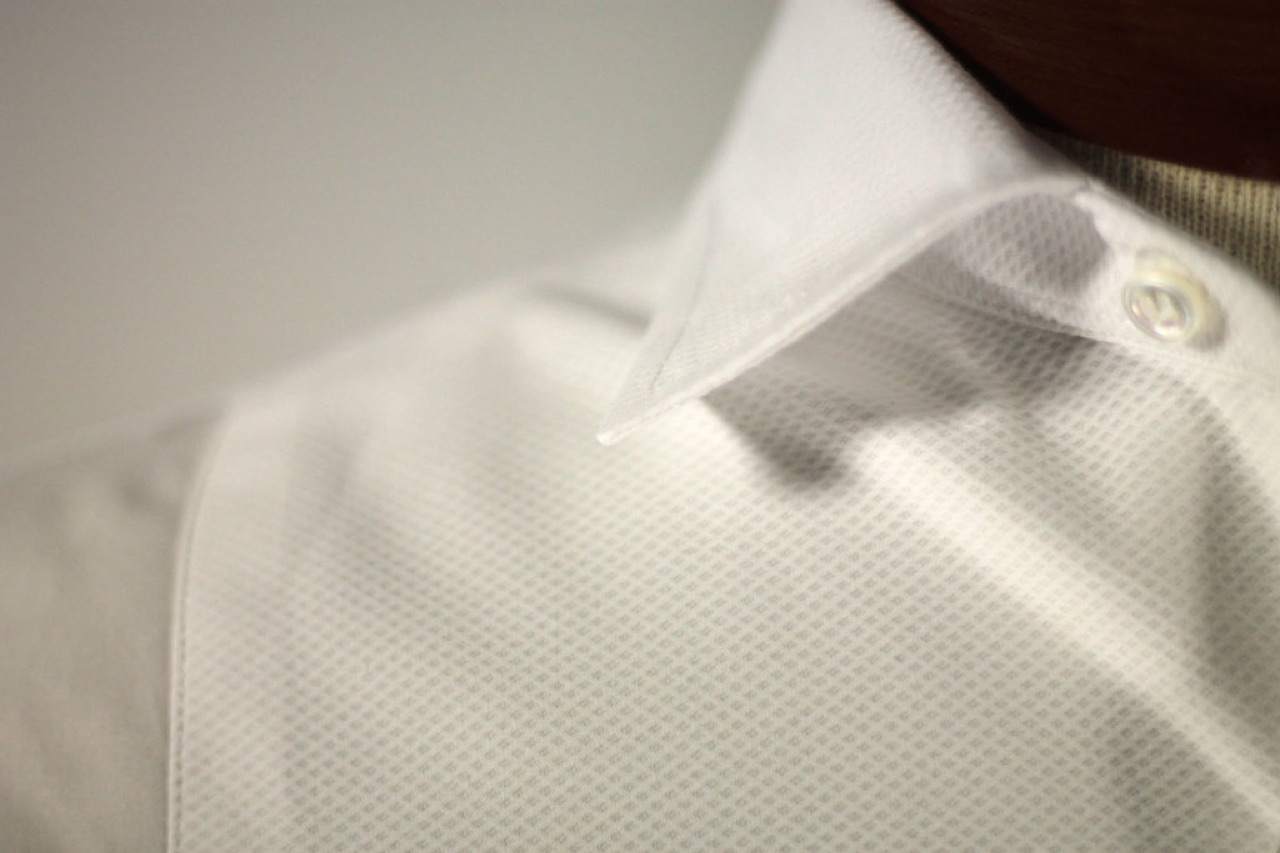
Every summer the same advice circulates: buy a linen shirt, it is the coolest thing you can wear with sleeves. All true, and conveniently incomplete. Linen has one famous catch that gets mentioned in a whisper, the wrinkling, and one less famous one that we learned the hard way. We bought two, a midweight from Uniqlo and a budget version from H&M at roughly $20-$50 each, and prices move, so check the current price, then wore them through a full season of hot commutes, vacations, and evenings out.
Why linen earns the rotation
Start with what linen does better than anything else at the price. On the hottest commute of the season, a thirty-minute walk in full sun, the linen shirt was dramatically more comfortable than a cotton poplin worn on the same route the day before: air moves through the weave, sweat dries on the fabric instead of soaking into it, and the shirt dried from a deliberate soak test in under two hours on a hanger. That wet-recovery matters for travel, since a hand-washed linen shirt in a hotel bathroom is wearable the next morning. After a season of use, the Uniqlo shirt softened noticeably in exactly the right way, while keeping enough structure to look intentional with trousers. The breathability claim survived the season’s only heat wave, too. On the two days above ninety degrees we ran the same commute against a cotton shirt worn the same way, and the linen day registered as merely warm rather than punishing, which is as close to a controlled experiment as a commute allows.
The wrinkle problem, honestly
Here is the catch, stated plainly: linen wrinkles within the hour, and no amount of money changes it. The shirt creases at the elbows during a single meal, crushes at the back when you lean against a chair, and arrives at dinner looking like it had a full day already. You can iron it smooth in the morning and it will still be visibly creased by lunch. Our conclusion after one season is that fighting it is the mistake. The shirt looks good when the wrinkles are distributed and soft, the lived-in rumple that reads as intentional. It looks bad when the wrinkles are concentrated, a hard crease from being stuffed in a bag. So the practical rules: never pack it folded, hang it the moment you take it off, and smooth it with damp hands rather than hauling out an iron.
Washing and storage
Linen laundering is easier than its reputation. We washed both shirts cold, hung dry, no dryer, all season, with no shrinking worth measuring. The fabric comes off the line stiff and slightly crackly, then relaxes within an hour of wear, which surprises everyone the first time. The two shirts aged differently, though. The Uniqlo held its color and weave cleanly through roughly twenty washes, while the H&M version thinned faintly at the elbows and its buttons started showing thread wear. The budget shirt is still wearable and still soft, but it is visibly the older garment.
The one less-famous catch
Wrinkles get all the attention, but the real trap is fit drift. Linen relaxes dramatically through the day, more than any cotton shirt we own. A shirt fitted correctly at 8 a.m. hangs loose and slightly ballooned by 4 p.m., especially through the waist. That means a linen shirt should be bought closer to the body than you think, or it spends the afternoon looking borrowed. Buy it slightly snug, accept the morning stiffness, and by midday the fabric has stretched into exactly the drape you wanted. Do that, and the wrinkle conversation mostly takes care of itself.
The Picks Desk
A two-person editorial desk that wears, washes and price-checks everything before it appears here.