seasonal
Winter Commute Layering: the 20-Minute Version
A commute that swings from -2°C to 22°C in half an hour needs a system, not a heavy coat. The three-layer winter kit that works from door to desk.
By The Picks Desk · Nov 7, 2026 · 3 min read
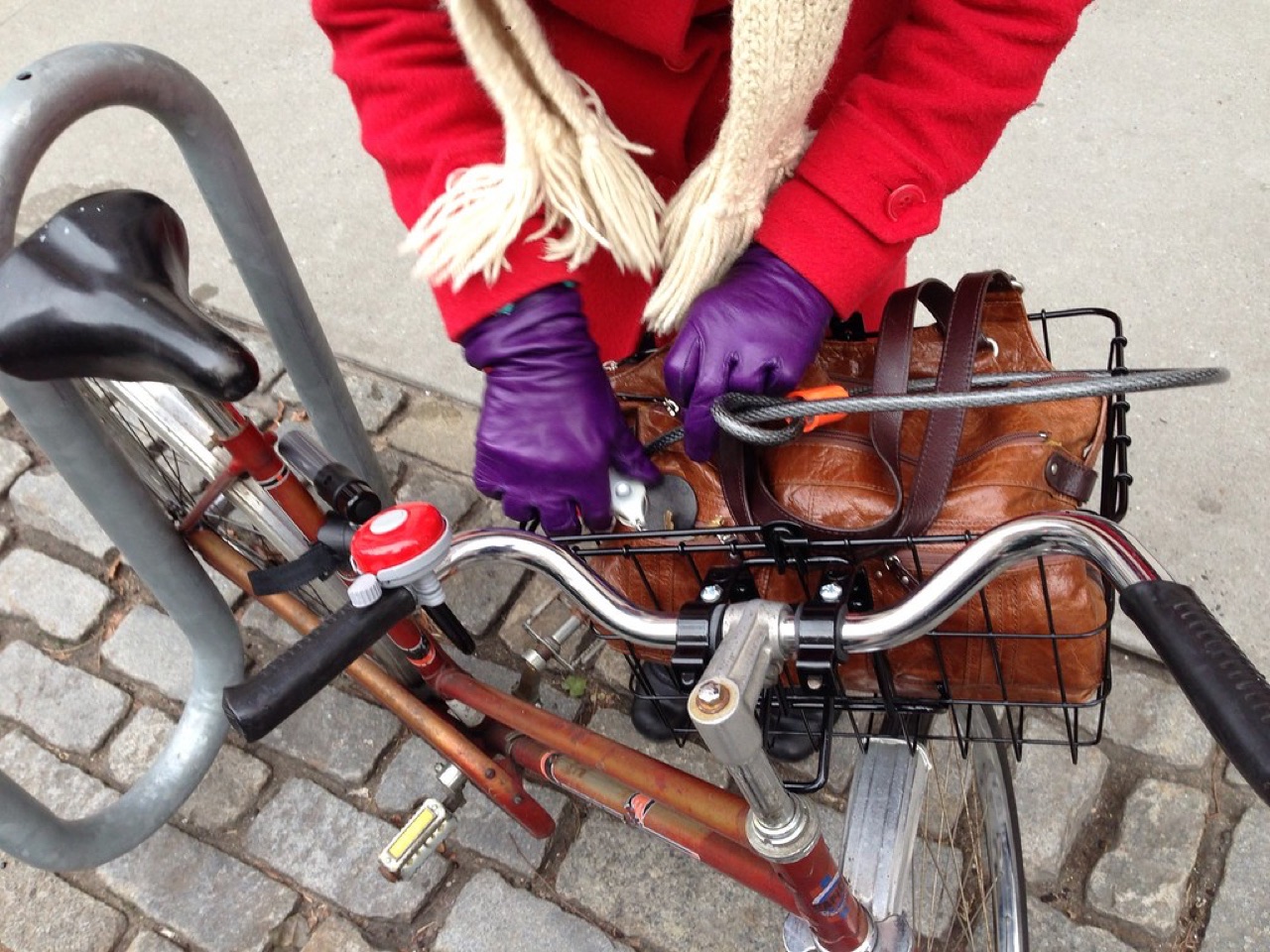
The winter commute is a temperature whiplash problem. You leave a heated hallway at -2°C, stand in a packed train at 24°C, and walk the last block in wind that finds every gap. Total exposure to actual cold: maybe twenty minutes. Total exposure to bad layering decisions: the whole day. We tested our way through several winters of this — same route, different systems — and the winning approach fits in one sentence: dress for the wait, not the walk.
The 20-minute problem
A heavy parka solves the outdoor stretch and ruins everything else. You sweat on the train, arrive at the office overheated, and spend the morning recovering in a shirt that’s damp at the collar. The real cost of the parka is the other eight hours of the day.
Count your actual cold minutes first. If you’re outside less than twenty minutes per trip, you don’t need maximum warmth — you need wind blocking, a warm core, and layers that come off in one motion without stopping. The goal is to be cold for ten pleasant minutes and comfortable for the rest of the day.
The three-layer commute kit
Base: a thin thermal top against the skin. This is non-negotiable below about 8°C, and the Uniqlo Heattech line remains the cheapest, most available version of the idea. Check the current price and buy two; one in the wash is one in the drawer. The base layer’s job is to make a 0°C platform wait feel like 5°C — nothing more, nothing visible.
Mid: a knit that looks intentional indoors. Fine merino or a mid-gauge crew, never the chunky fisherman sweater on commute days — it won’t fit under a jacket and it becomes luggage the moment you’re inside. The mid-layer is what people see at work, so it should pass as an outfit on its own.
Outer: a wind-blocking layer that packs. An unlined wool coat or a dense synthetic jacket — Columbia’s lighter insulated shells do this well without the bulk of a parka. It should compress into a tote or hang on a chair without taking over the cubicle. If your outer layer can’t be carried with one hand while holding coffee, it’s the wrong outer layer for a commute.
Hands and neck matter more than the torso on short exposures. A scarf and decent gloves buy more comfort per gram than any additional layer under the coat.
By temperature: 8°C, 0°C, and below
At 8°C: base layer optional, mid-knit, wind-blocking outer. Most people over-dress here and regret it by 10 a.m.
At 0°C: thermal base, merino mid, the outer layer zipped, scarf, gloves. This is the full kit, and it’s still only three pieces.
Below -5°C: everything above, plus a wool hat and thermal leggings under trousers if the wait is long. If the platform wait stretches past fifteen minutes, swap the mid-layer up one weight. Below this line, and only below it, the parka gets its moment.
The office stash
The system only works if the office has a landing zone. Keep a spare tee in a drawer for the days the train was packed, and a pair of indoor shoes if the walk includes slush. Hang the outer layer where air moves around it, not bunched on a chair — a damp coat at 6 p.m. is a self-inflicted problem.
One last opinion: the commute outfit should survive being seen. Every layer in the kit gets worn indoors in front of colleagues, so skip anything that only makes sense outdoors. Build the kit once, in mid-November, and the whole winter runs on autopilot — twenty cold minutes at a time, eight comfortable hours in between.
The Picks Desk
A two-person editorial desk that wears, washes and price-checks everything before it appears here.